The Fieldstone Fireplace...
Outstanding in its Field!
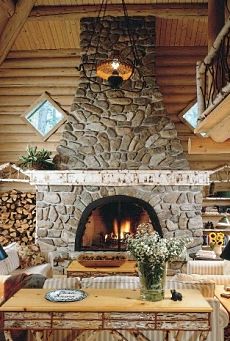
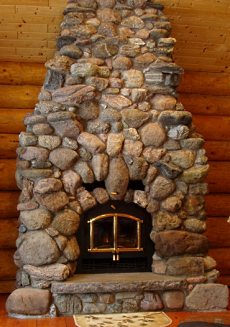
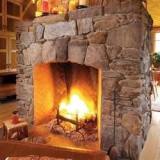
Fieldstone fireplace designs vary greatly, due to the wide range in size, shape, color and texture of the material, itself. A very beautiful stone for building, fieldstone, nevertheless, is relatively common with an earthy, natural appearance. A fieldstone hearth has the look of durability and strength, as in the striking example pictured below, right, with a birch bark mantel shelf!
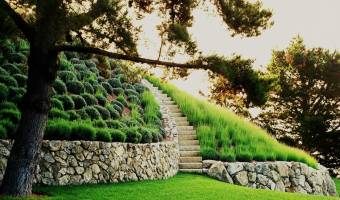
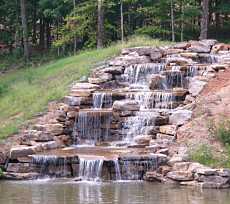
Fieldstone is used to erect virtually anything that can be constructed with stone, including foundations and walls for buildings, retaining walls, fences, fireplaces, chimneys, landscape terracing and waterfalls.
The examples below depict a few
of the ways . . . in addition to fire-
places . . . . . in which this natural
building
material can be utilized.
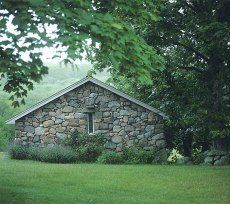
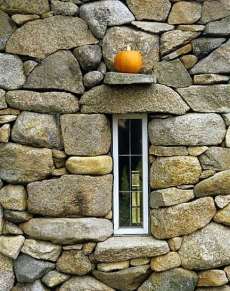
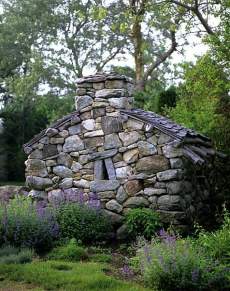
Above designs, except for waterfalls, were created by master stone arti-
san, Lew French.
See His Extraordinary Stone Fireplace Designs
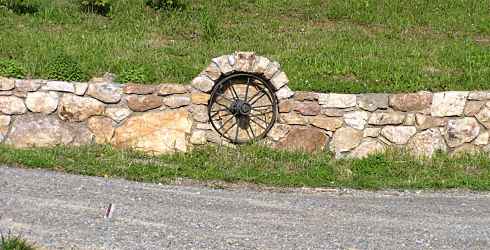
By definition, fieldstone is stone collected from the surface of fields where it occurs naturally and is subsequently used in its original shape, as shown in the examples below . . . . .
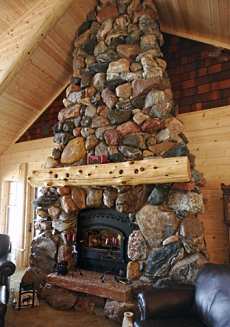
In practice, however, the definition has been expanded to include any ar-
chitectural
stone recovered from
the topsoil OR subsoil and used not only in its original shape, but modified by cutting or splitting, as well.
In the following examples, the stones have been cut or split.
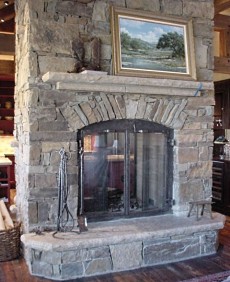
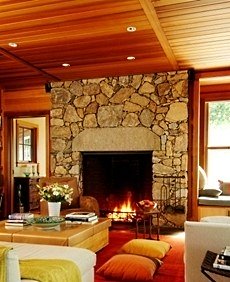
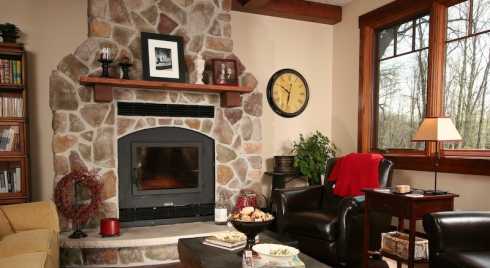
Most fieldstones have been left by glacial deposits and are rectangular to oval in shape. Though they tend to be somewhat flat, the corners have been softened by thousands of years of weathering and tumbling.
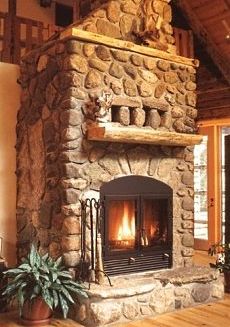
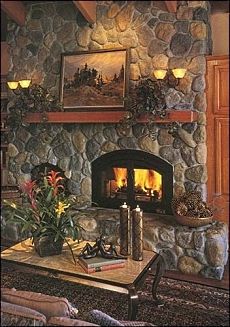
They range in color from dark blues, grays and browns to light blues, grays and browns, rusts and light buffs . . . . . depending upon their geographic location. For example, the fieldstone of Pennsylvania is generally darker, with more dark blues and browns (below left) than the typically tan, light red, and light blue fieldstone of New England (below right).
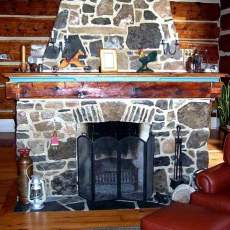
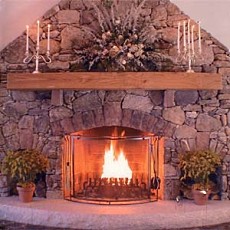
More Fieldstone Fireplaces
Following is a sampling of fieldstone fireplace designs - for both indoors and out - that incorporates a
variety of stone sizes, shapes, colors and tex-
tures. Some utilize stones or rocks in their original shapes,
while others are made with stones that have been cut or split.
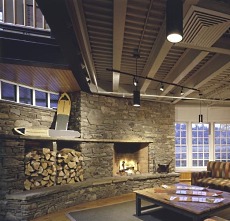
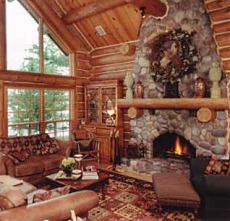
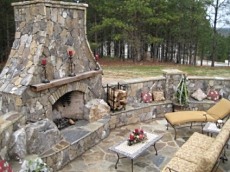
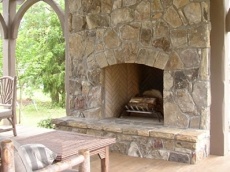
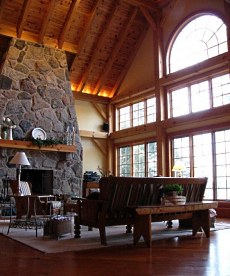
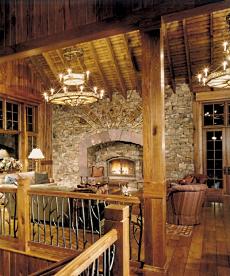
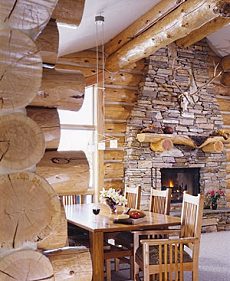
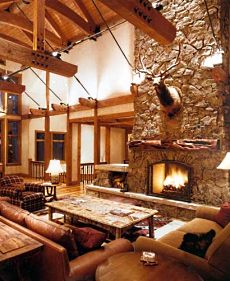
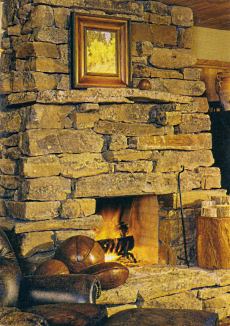
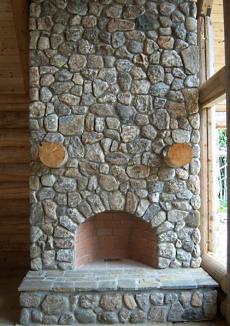
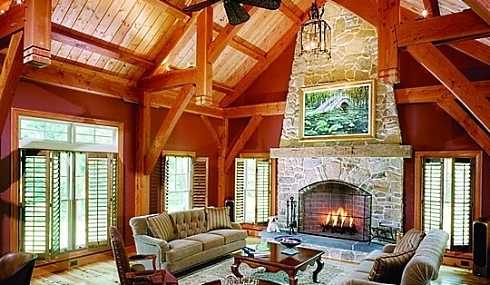
Please check back often or subscribe to our RSS feed, as we fre- quently add new photos of fieldstone hearths to our site.
YOU MAY ALSO LIKE:
Stone Or Rock Fireplace
Designs...Rustic & Casual
Favorite Fieldstone Fireplace
Designs...Fields Of Dreams!
A River Stone Fireplace Rocks!
The Slate Stone Fireplace -
Veritably Versatile!
The Slate Fireplace - A Clean Slate
For YOUR Special Fire Space!
Standout Rustic Rock Fireplaces!
Back to Stone Fireplace Designs
Back to Stone Hearth Categories
Back to Standout Fireplace Designs Home Page
Didn't find what you were looking for?
Use this search feature to find it.
LIKE THIS PAGE?


Use this search feature to quickly find the information you're looking for.
Related Pages
Stacked Stone Fireplace Pics
Simply STUPENDOUS!
Rocky Mt. Rock Fireplaces
Lodges, Logs & Luxury!
Monumental Fireplaces
SUPERSIZE IT!
Standout Stone Fireplaces
Real STANDOUTS!
Stacked Stone Fireplaces
Stacked In Your Favor!
Rustic Rock Fireplaces
The Old West Lives On!
Stacked Stone Fireplaces
HIGH & dry!
Extraordinary Stone
Hearth Designs!
Stone Hearth Ideas
Outstanding Custom Designs!
Stone Hearth Pictures
EXTRA Extraordinary Designs!
Cowboy Country Stone Fireplaces
A Roundup of Exceptional Designs!
The Fieldstone Fireplace
Outstanding In Its Field!
The Cozy Stone Fireplace
Relax in a Rustic Setting!
Corner Fireplace Designs
Vastly Versatile!
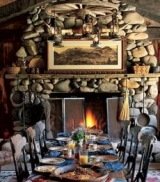
Masonry Fireplace Designs
A World of Style!
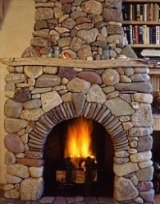
Country Stone Fireplaces
Country Rock Meets
Rolling Stones!
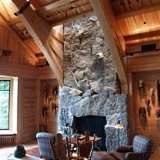
Freshwater Stone Fireplaces
Massive & Majestic!
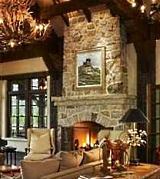
Stone Fireplace Designs Pictures
Cozy Classics!
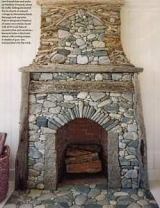
Lew French
Stone Artisan Extraordinaire!
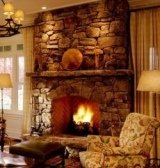
The Stone Fireplace Hearth
Welcoming Warmth!
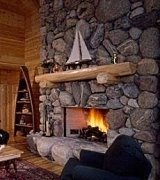
Standout Rock Hearth Pics
Blocks of Rocks!
Pics Of Stone Fireplaces
Handcrafted Hearths!
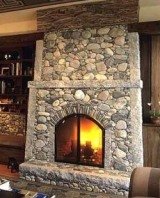
Favorite Field Stone Designs
Fields of Dreams!
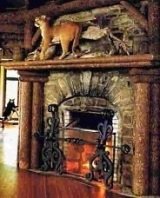
Country Stone Corner Hearths
Cozy, Casual & COLOSSAL!
A River Stone Fireplace Rocks!
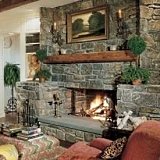
The Masonry Fireplace
Made To Last!
Stone Masonry Fireplaces
Solid as a Rock!
Subscribe to our Free e-Newsletter for More Exciting Fireplace Design Ideas!
Click Here for More Information
New! Comments
Have your say about what you just read! Leave me a comment in the box below.